
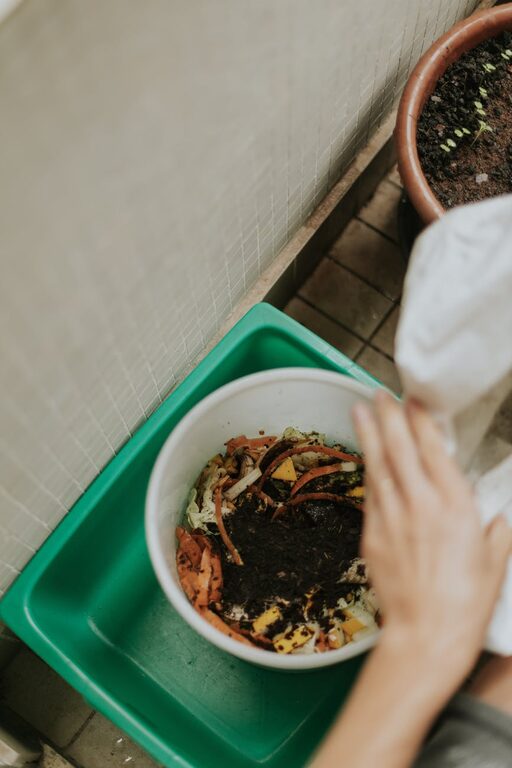
Composting at home is a wonderful way to reduce waste, enrich your soil, and contribute to a healthier environment. If you’re new to composting, getting started may seem a bit overwhelming, but with the right tips and a little practice, it can become a rewarding part of your daily routine. In this post, we’ll cover the basics of home composting and share beginner-friendly tips to help you succeed.
What is Composting?
Composting is the natural process of recycling organic matter, such as food scraps and yard waste, into nutrient-rich soil called compost. This compost can then be used to improve garden soil, helping plants grow stronger and healthier.
Why Compost at Home?
– Reduces landfill waste: Food scraps and yard waste make up a large portion of household garbage. Composting helps keep this material out of landfills.
– Enriches soil naturally: Compost adds valuable nutrients to your garden, improving soil quality and plant growth without chemicals.
– Saves money: Using homemade compost reduces the need for store-bought fertilizers.
– Supports the environment: Composting helps reduce greenhouse gas emissions from organic waste.
How to Start Composting at Home
1. Choose the Right Compost Bin
There are several compost bin options to choose from depending on your space and preferences:
– Tumbler bins: Easy to turn and mix, ideal for small spaces.
– Stationary bins: Simple boxes or bins placed in your yard.
– DIY piles or heaps: No-bin method, just a designated spot in your garden.
Select a bin that suits your available area and budget. For small balconies or indoor spaces, consider a worm composting bin (vermicomposting).
2. Know What to Compost
Successful composting depends on the right balance of materials. These fall into two categories:
– Greens: Nitrogen-rich materials like fruit and vegetable scraps, coffee grounds, fresh grass clippings, and garden trimmings.
– Browns: Carbon-rich materials like dry leaves, straw, cardboard, paper, and small branches.
Tip: Aim for a roughly 2:1 ratio of browns to greens to maintain healthy decomposition.
3. Avoid Composting These Items
Some materials don’t break down well or may attract pests:
– Meat, dairy, and oily foods
– Bones and seafood
– Diseased plants or invasive weeds
– Pet waste
4. Prepare Your Compost Pile
– Start with a layer of coarse browns like small twigs or straw at the bottom for good airflow.
– Alternate layers of greens and browns.
– Chop or shred large pieces to speed decomposition.
– Keep the compost pile moist, like a damp sponge, but not soaking wet.
5. Maintain Your Compost
Turning or mixing your compost every week or two introduces oxygen, which helps microbes break down material faster and reduces odor. Use a garden fork or compost aerator tool for this.
6. Monitor Temperature and Moisture
– A well-functioning compost pile will heat up as microbes do their work, ideally reaching 130–150°F (55–65°C) in the center.
– If the pile is too dry, add water.
– If it’s too wet and smelly, add more browns and turn the pile.
7. Know When Your Compost is Ready
Finished compost is dark, crumbly, and smells earthy. It should no longer look like recognizable food scraps or leaves. This process usually takes 2–4 months but can vary depending on conditions.
Additional Tips for Beginner Composters
– Collect scraps daily: Keep a small container in your kitchen for compostable scraps to make it easy.
– Use a compost thermometer: This tool helps track the pile’s temperature and alerts you if conditions are off.
– Start small: Begin with a manageable bin size before expanding.
– Use finished compost: Add it to your garden beds, mix with potting soil, or use as mulch around plants.
– Stay patient: Composting is a natural process and takes time to master.
Common Composting Problems and How to Fix Them
| Problem | Cause | Solution |
|———————–|————————-|———————————————–|
| Foul odor | Too wet or lack of air | Turn compost, add dry browns, aerate |
| Pests in compost | Food scraps like meat | Avoid forbidden items, use secure bin lids |
| Compost too dry | Lack of moisture | Water pile lightly |
| Slow decomposition | Too little nitrogen | Add more green materials, chop scraps finer |
| Compost pile too small | Not enough heat generated | Increase pile size or add more material |
Final Thoughts
Composting at home is an eco-friendly practice that anyone can adopt with a little guidance and patience. By starting with the basics, choosing the right materials, and caring for your compost pile, you’ll soon have nutrient-packed soil to support your garden and reduce your household waste footprint. Give it a try—you might find composting to be a fun and rewarding part of your daily routine!
Feel free to share your composting experiences or questions in the comments below. Happy composting!