
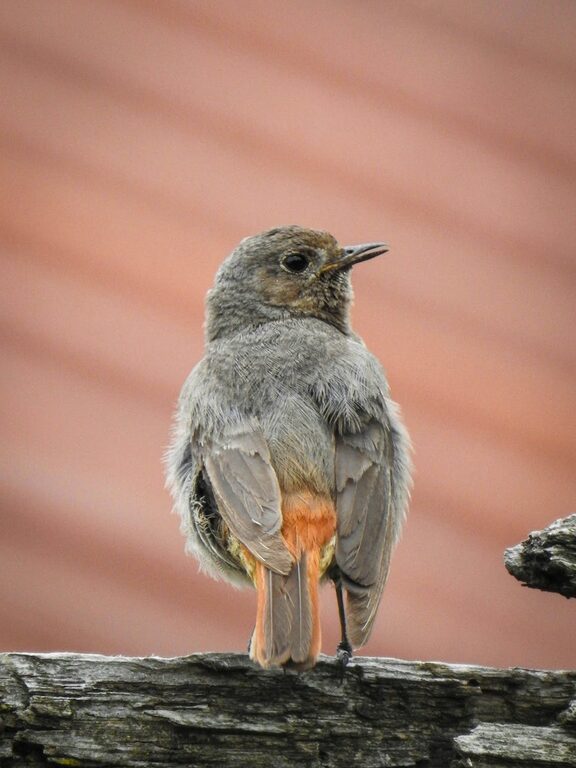
Birdwatching is a rewarding hobby that brings you closer to nature and offers peaceful moments in your own backyard. Whether you have a small garden or a wide outdoor space, observing birds can be both relaxing and educational. If you’re new to birdwatching, this guide will help you get started with simple tips to attract and enjoy birds near your home.
Why Backyard Birdwatching?
Backyard birdwatching is a great way to connect with the natural world without needing to travel. It encourages mindfulness, supports local wildlife, and can be enjoyed by people of all ages. Plus, it’s an easy hobby to pick up—requiring just some basic equipment and patience.
Getting Started: What You Need
Before you begin, it’s helpful to have a few essentials that make birdwatching more enjoyable.
1. Binoculars
A good pair of binoculars allows you to see birds up close without disturbing them. Look for lightweight models with 8x or 10x magnification—these are ideal for beginners.
2. Bird Identification Guide
A physical book or a mobile app can help you identify different species by their size, color, and behaviors. Choose a guide specific to your region for the best results.
3. Notebook or Birding App
Keeping a record of the birds you see can be fun and helps track your observations over time.
Setting Up Your Backyard for Birdwatching
Attracting birds to your yard makes watching them easier and more rewarding. Here’s how to create a bird-friendly environment.
Provide Food Sources
Bird feeders are the most direct way to attract birds. Different species prefer different types of food, so consider offering:
– Seed Feeders: Fill with sunflower seeds, millet, or mixed seed blends.
– Suet Feeders: Great for woodpeckers and insect-eaters.
– Nectar Feeders: Attract hummingbirds during warmer months.
– Fruit: Place slices of apple or orange on a platform feeder for fruit-loving birds.
Offer Fresh Water
Birds need water for drinking and bathing. A shallow birdbath or a small fountain provides a constant water source. Keep it clean and refill regularly.
Add Shelter and Nesting Spots
Birds look for safe places to rest and nest. Plant native shrubs, trees, and flowers to give them cover. You can also install birdhouses designed for local species.
Create a Diverse Habitat
Different birds prefer different environments, so diversity is key. Mix trees, shrubs, flowers, and grasses to support a variety of bird types.
Best Practices for Watching Birds
Once you’ve set up your yard, it’s time to observe. Here are some tips to enhance your birdwatching experience.
Be Patient and Quiet
Birds are easily startled. Approach feeders slowly and minimize noise. Early morning and late afternoon tend to be the most active times.
Use a Spotting Scope or Camera
If you want to capture images or observe at greater distances, a spotting scope or a camera with a zoom lens can be helpful.
Learn Bird Behaviors
Watch how birds fly, feed, and interact. Recognizing common behaviors makes it easier to identify species and understand their habits.
Record Your Sightings
Note down species, numbers, and dates. Over time, this record helps you learn patterns and attract even more birds.
Common Backyard Birds to Look For
Depending on where you live, you may see different birds, but some common backyard favorites include:
– American Robin: Known for their orange belly and melodious song.
– Black-capped Chickadee: Small, friendly birds with distinctive “chick-a-dee” calls.
– Northern Cardinal: Bright red males and warm brown females are easy to spot.
– Blue Jay: Bold blue birds with crest feathers and loud calls.
– Mourning Dove: Gentle birds with soft cooing sounds.
Safety and Respect for Wildlife
While birdwatching is gentle, it’s important to respect the birds and their environment.
– Avoid using pesticides or chemicals near feeding areas.
– Keep cats indoors to protect birds.
– Do not handle or disturb nests.
– Maintain feeders and baths to prevent disease spread.
Enjoying Birdwatching Beyond the Backyard
As your confidence grows, you might explore local parks, nature reserves, or participate in community bird counts. This expands your experiences and helps contribute to citizen science.
Final Thoughts
Backyard birdwatching is a simple and accessible hobby that brings joy and a deeper appreciation of the natural world. By providing food, water, and shelter, using the right tools, and practicing patience, beginners can quickly enjoy diverse bird visitors. Start small, observe closely, and watch nature come alive right outside your door. Happy birdwatching!