
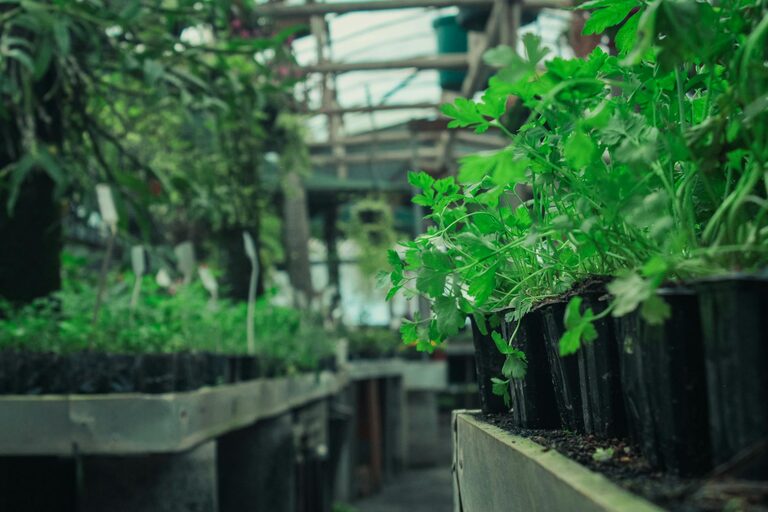
Starting a small herb garden indoors is a rewarding and practical way to enjoy fresh flavors year-round. Whether you have a sunny windowsill or a spare corner, growing herbs indoors can brighten your kitchen, improve your cooking, and even boost your mood. This guide will walk you through everything you need to know to get started, from selecting herbs and containers to daily care and troubleshooting.
Why Grow Herbs Indoors?
Growing herbs indoors offers several advantages:
– Convenience: Fresh herbs are always within reach.
– Year-round growth: No need to wait for spring or worry about weather.
– Space-saving: Perfect for apartments or homes without outdoor garden space.
– Low maintenance: Many herbs are easy to care for and adapt well to indoor conditions.
Choosing the Right Herbs for Your Indoor Garden
Some herbs thrive better indoors than others. Here are some beginner-friendly options:
– Basil: Requires bright light and warmth.
– Parsley: Prefers moderate light.
– Mint: Tolerates lower light, but watch out for aggressive growth.
– Thyme: Likes bright light and well-drained soil.
– Chives: Easy to grow and needs moderate sunlight.
– Oregano: Thrives with plenty of light and minimal water.
Tips for selecting herbs:
– Pick herbs you frequently use in cooking.
– Start with 3-5 different types to avoid overcrowding.
– Consider how much light your indoor space receives when choosing herbs.
Choosing Containers and Soil
Containers
– Use pots with drainage holes to avoid waterlogging.
– Size depends on the herb’s root system: usually 4 to 6 inches wide for individual herbs.
– You can use traditional terracotta pots, plastic pots, or even repurposed containers like mugs or jars.
Soil
– Use a light, well-draining potting mix designed for indoor plants.
– Avoid garden soil, which may be too dense and carry pests.
– Consider adding perlite or sand to improve drainage if needed.
Finding the Best Location and Lighting
Herbs generally need at least 6 hours of light per day.
– Sunny windowsills, especially south- or west-facing, are ideal.
– If natural light is limited, consider using a grow light for 8-12 hours daily.
– Rotate pots every few days to ensure even light exposure and balanced growth.
Planting Your Herb Garden
Starting from seeds:
– Follow packet instructions for seed depth and spacing.
– Keep soil moist but not soaked.
– Use a spray bottle to mist the soil surface.
– Germination times vary; patience is key.
Starting from seedlings or cuttings:
– Purchase healthy seedlings for an easier start.
– Transplant carefully to avoid root damage.
– Propagate some herbs like mint or basil from cuttings placed in water until roots grow.
Watering and Feeding
– Check soil moisture regularly by sticking your finger about an inch into the soil.
– Water when the top inch is dry but avoid letting plants sit in water.
– Most herbs prefer consistent moisture but hate “wet feet.”
– Feed herbs every 4-6 weeks with a balanced, water-soluble fertilizer diluted to half strength.
Pruning and Harvesting
– Pinch off the top leaves regularly to encourage bushier growth.
– Harvest leaves by cutting just above a leaf node rather than pulling off.
– Avoid harvesting more than one-third of the plant at a time to maintain health.
– Regular pruning prevents plants from becoming leggy and promotes fresh, tender leaves.
Troubleshooting Common Issues
Yellowing leaves
– May indicate overwatering or poor drainage.
– Adjust watering habits and check pot drainage.
Leggy or sparse growth
– Likely a sign of insufficient light.
– Move plants to a sunnier spot or add supplemental grow lights.
Pests
– Indoor herbs can attract aphids, spider mites, or whiteflies.
– Use gentle insecticidal soap or wipe leaves with a damp cloth.
– Keeping plants clean and monitoring regularly helps prevent outbreaks.
Tips for Enjoying Your Herb Garden
– Use fresh herbs in everyday cooking for enhanced flavor.
– Create homemade herb blends or teas.
– Gift fresh herbs to friends in pretty pots.
– Experiment with dried herbs by harvesting and air-drying.
In Summary
Starting a small herb garden indoors is an accessible and enjoyable project. By selecting suitable herbs, providing the proper light and water, and tending them regularly, you’ll have a green, flavorful oasis right at home. Whether you’re an experienced gardener or just beginning, indoor herb gardening is a wonderful way to connect with nature and enrich your meals.
Happy gardening!